


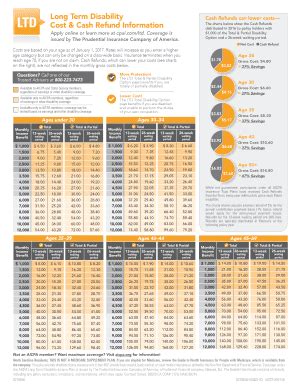
aicpa life insurance rate table
Learn about AICPA, importance of life insurance, factors affecting rates, how rates are determined, and how to use AICPA rate table effectively.When it comes to securing your financial future and protecting your loved ones, having a comprehensive understanding of life insurance is essential. The American Institute of CPAs (AICPA) offers a valuable resource with their life insurance rate table, providing insights into the factors that affect insurance rates and how they are determined. In this blog post, we will delve into the importance of life insurance, the role of the AICPA in this context, the various factors that influence rate tables, and how individuals can utilize the AICPA rate table to make informed decisions about their insurance coverage. Whether you are just starting to explore life insurance options or looking to optimize your existing coverage, this guide will help you navigate the complexities of the insurance landscape with confidence.
Understanding AICPA
The American Institute of Certified Public Accountants (AICPA) is a professional organization for certified public accountants in the United States. It sets ethical standards for the profession and U.S. auditing standards for private companies, nonprofit organizations, federal, state, and local governments. AICPA also develops and grades the Uniform CPA Examination.
Being a member of AICPA offers numerous benefits, such as access to resources, tools, and information that can help CPAs improve their skills and stay up-to-date in the fast-changing industry. Members also have opportunities for professional networking and continuing education that are essential for career advancement.
Overall, understanding the role and functions of AICPA is crucial for any aspiring or current certified public accountant to navigate the complexities of the accounting profession and excel in their career.
Importance of Life Insurance
Life insurance is a crucial financial tool that provides security and peace of mind to individuals and their loved ones. It serves as a safety net, ensuring that beneficiaries are financially protected in the event of the policyholder’s death. Life insurance can help cover funeral expenses, outstanding debts, mortgage payments, and other financial obligations.
Additionally, life insurance can provide income replacement for dependents, ensuring that they are able to maintain their standard of living after the policyholder’s passing. This financial support can help loved ones avoid financial hardship and maintain financial stability during a difficult time.
Furthermore, life insurance can be used as an estate planning tool, allowing policyholders to designate beneficiaries and ensure that their assets are distributed according to their wishes. By including life insurance in their estate plan, individuals can provide for their loved ones and protect their financial legacy.
Factors Affecting Rate Table
When it comes to understanding the factors that affect the rate table of the American Institute of Certified Public Accountants (AICPA) life insurance, it’s important to consider various elements that come into play. One key factor that influences the rate table is an individual’s age. Younger individuals typically have lower rates compared to older individuals due to the decreased risk of mortality at a younger age.
Another important factor that affects the rate table is an individual’s health status. Those with pre-existing health conditions might be classified as high risk and therefore have higher rates compared to those in good health. Additionally, lifestyle choices such as smoking, excessive drinking, or participation in dangerous activities can also impact an individual’s life insurance rates.
Furthermore, the coverage amount and type of policy chosen can also have a significant impact on the rate table. Higher coverage amounts or policies with additional features such as riders or guaranteed renewability may result in higher rates. It’s important for individuals to consider these factors when selecting a life insurance policy that meets their needs and budget.
How Rates are Determined
When it comes to determining the rates for life insurance policies, there are several factors that come into play. One of the key factors that insurance companies consider is the age of the individual applying for the policy. Generally, the younger a person is when they apply for life insurance, the lower the rates will be. This is because younger individuals are seen as lower risk compared to older individuals.
Another important factor that affects the rates of life insurance policies is the health of the individual. Insurance companies will typically require a medical exam to assess the health of the applicant. Individuals who are in good health are likely to have lower rates compared to those with pre-existing medical conditions. Smoking, obesity, and a history of chronic illnesses can also lead to higher rates.
Additionally, the coverage amount and type of policy chosen will also impact the rates of life insurance. Term life insurance policies are generally more affordable compared to whole life policies, as they provide coverage for a specific period of time. The coverage amount chosen will also affect the rates, with higher coverage amounts leading to higher premiums.
Utilizing AICPA Rate Table
When it comes to choosing the right life insurance policy, utilizing the AICPA Rate Table can be extremely beneficial. This table, created by the American Institute of Certified Public Accountants, provides a comprehensive list of rates that insurers use to determine premiums for policyholders.
By using the AICPA Rate Table, individuals can compare rates from different insurance companies, ensuring that they are getting the best possible coverage at the most affordable price. This tool allows consumers to make informed decisions about their life insurance policies, ultimately providing them with peace of mind knowing that their loved ones will be financially secure in the event of their passing.
Overall, the AICPA Rate Table is an invaluable resource for anyone shopping for life insurance. By utilizing this tool, individuals can ensure that they are getting the best possible coverage at the most competitive rates, giving them the security and peace of mind they deserve.
Frequently Asked Questions
What is the AICPA life insurance rate table?
The AICPA life insurance rate table is a tool used by the American Institute of CPAs to determine premium rates for life insurance policies.
How is the AICPA life insurance rate table used?
Insurance companies use the AICPA rate table as a guide to calculate premiums for life insurance policies, based on factors such as age, gender, health status, and coverage amount.
Is the AICPA life insurance rate table specific to accountants?
While the AICPA is an organization for CPAs, the life insurance rate table is not exclusive to accountants and can be used by anyone looking to purchase life insurance.
What are some advantages of using the AICPA life insurance rate table?
Some advantages include standardized rates across insurance companies, transparency in premium calculations, and ease of comparison shopping for consumers.
Are the rates in the AICPA life insurance rate table accurate?
The rates in the AICPA table are based on actuarial data and statistical analysis, so they are generally considered to be reliable for estimating life insurance premiums.
Can individuals access the AICPA life insurance rate table online?
Yes, the AICPA makes the life insurance rate table available online for both members and non-members to use as a reference when shopping for life insurance.
Does the AICPA life insurance rate table cover all types of life insurance policies?
The AICPA rate table typically covers term life insurance policies, which are the most common type of life insurance purchased by individuals.